The Man Who Did All Things Forbidden, 2014
HD Film, black and white, with sound, 40 min.
The film departs from an historical research about how Chilean poetry became radicalized by politics after the 1973 Coup D’Etat, with the posterior introduction of a neo-liberal economy in that country. In the first part of the film we see the main actor discussing with a Chilean television anchorman the reasons of his stay in Chile and of his interest on starting a new form of artistic avant-garde that would transcend all political sides by combining them. The film then enters a story that develops on a mythological level, where we follow a man breaking different social taboos inside the micro community where he lives.
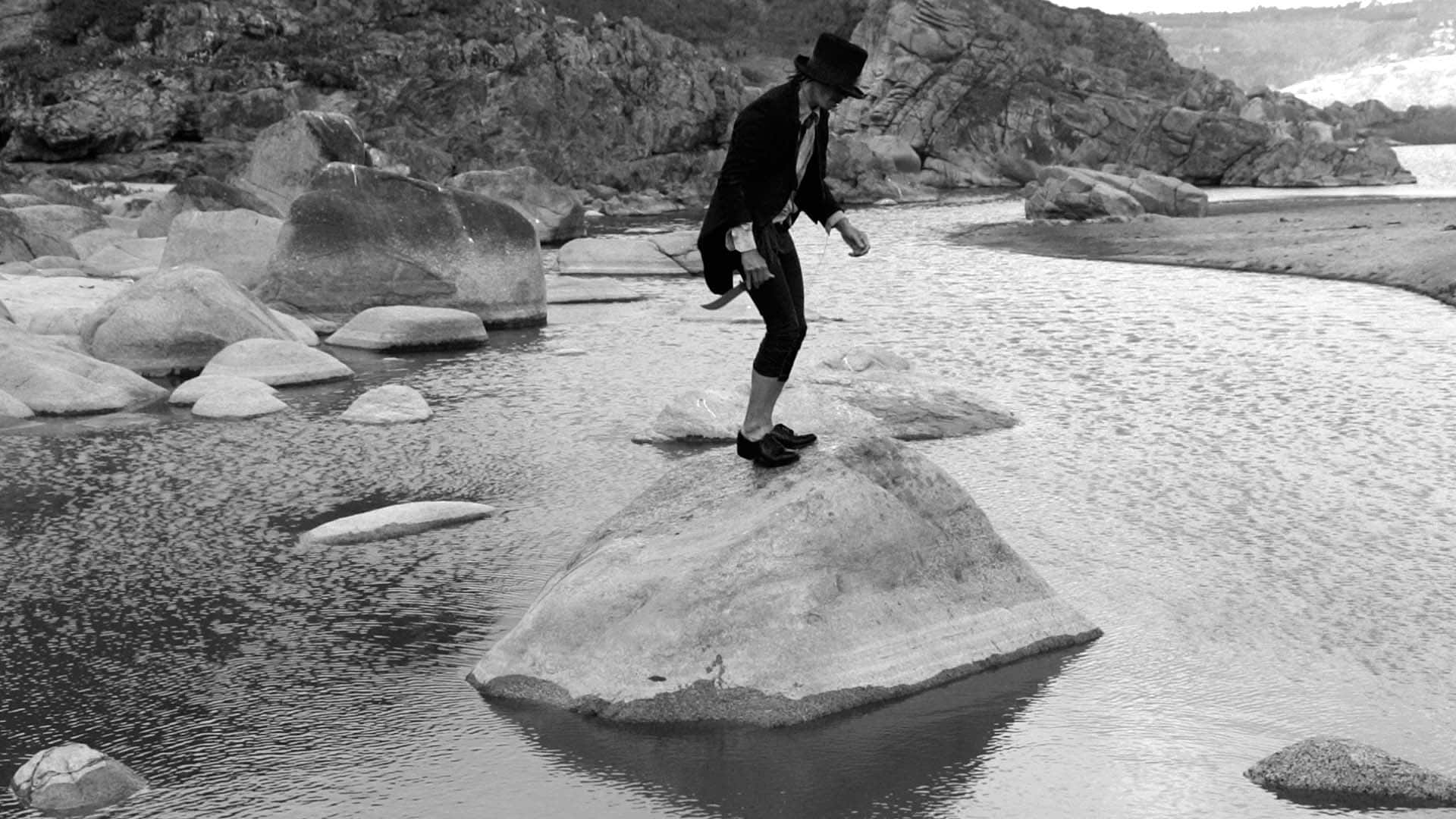
The Man Who Did All The Things Forbidden , 2014 (Video Still)
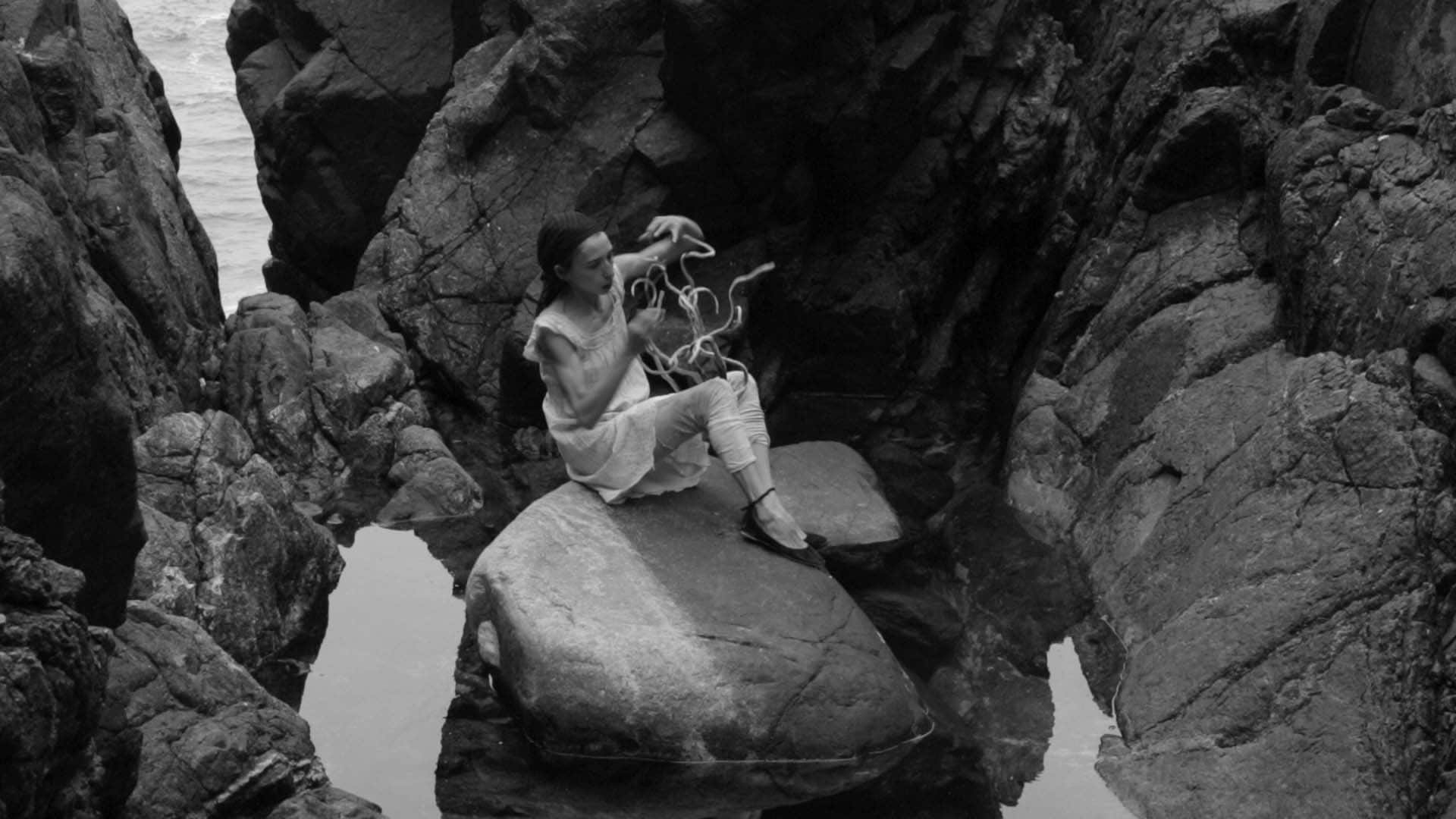
The Man Who Did All The Things Forbidden , 2014 (Video Still)
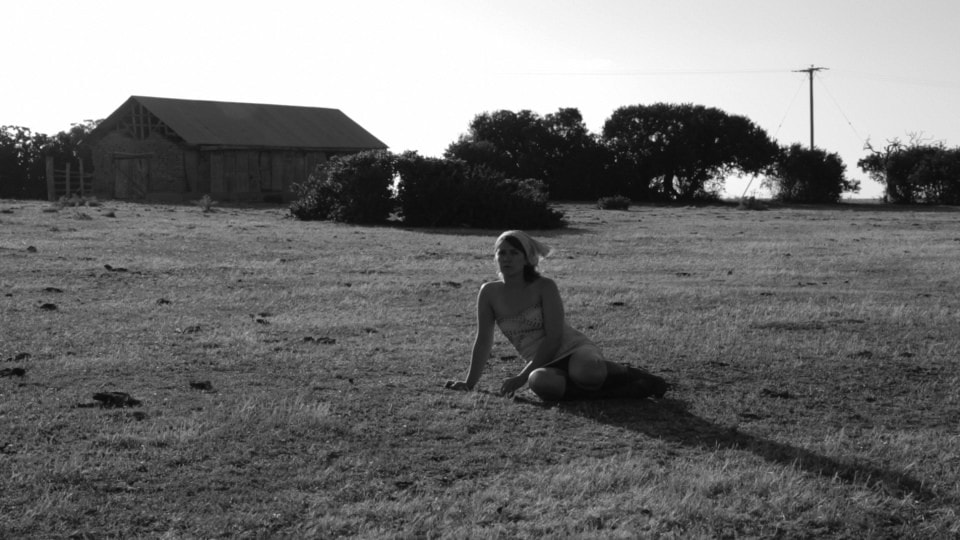
The Man Who Did All The Things Forbidden , 2014 (Video Still)
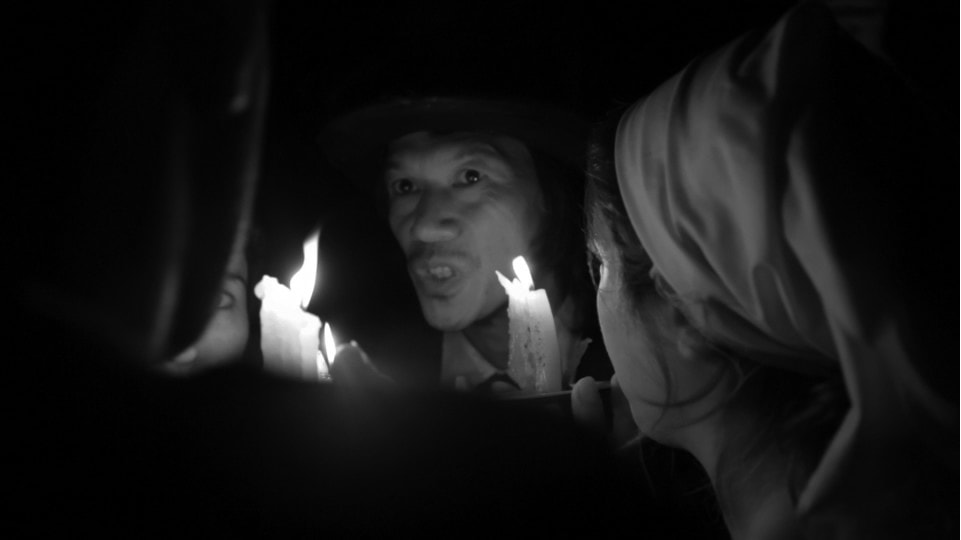
The Man Who Did All The Things Forbidden , 2014 (Video Still)
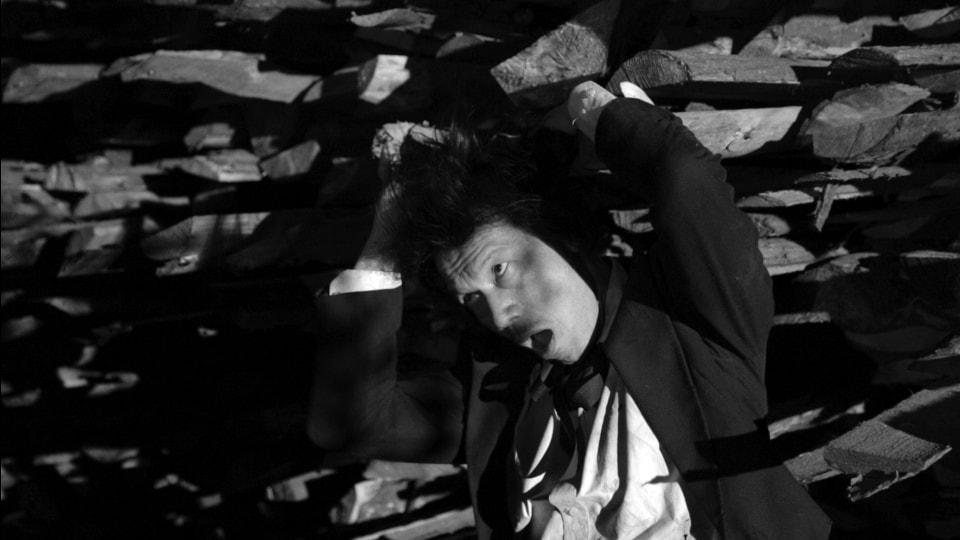
The Man Who Did All The Things Forbidden , 2014 (Video Still)
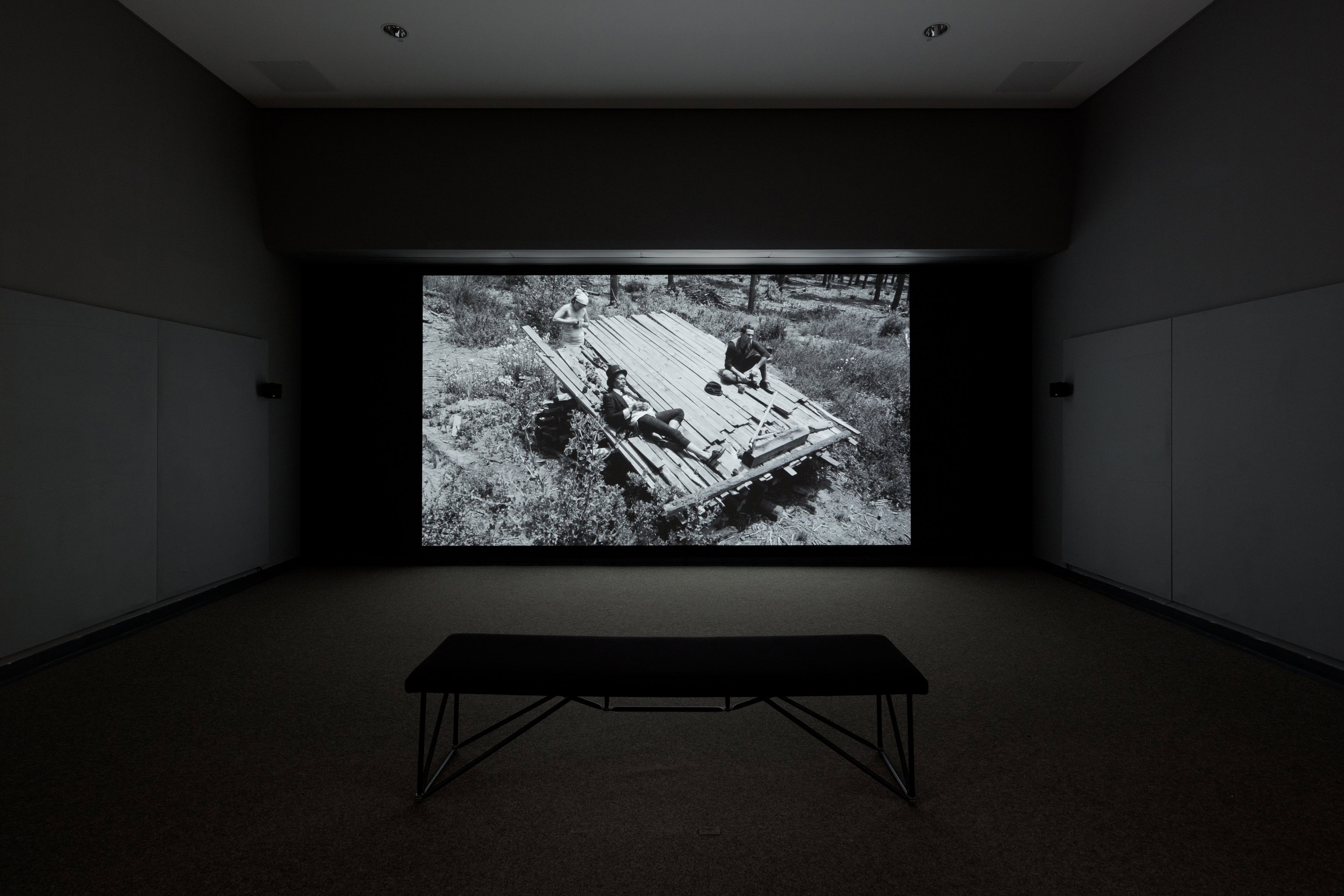
Berlin Biennale 2014

Berlin Biennale 2014
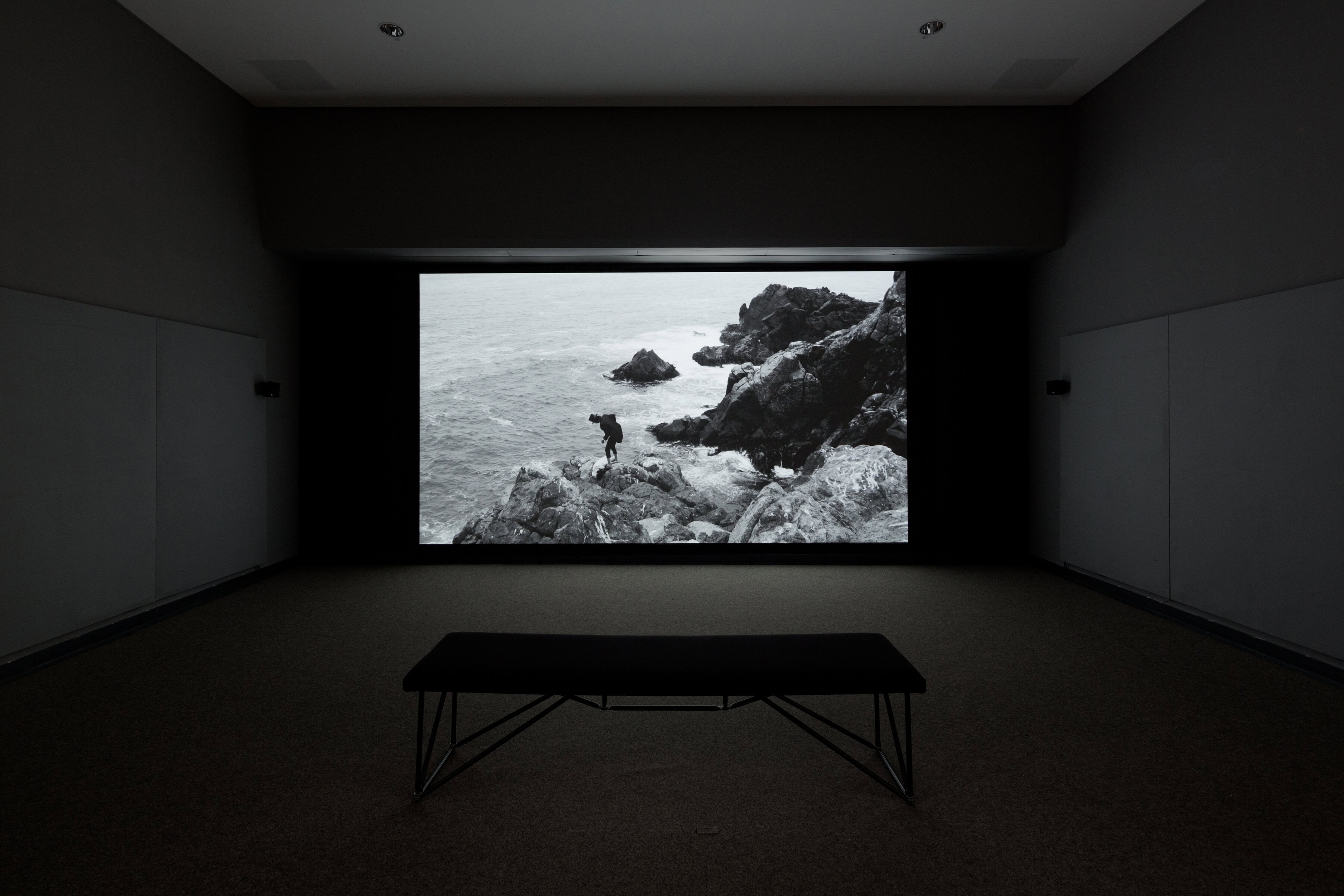
Berlin Biennale 2014
Ideological Cubism Manifiesto
Ideological cubism is strictly a mental construction. It establishes that future art cannot be manufactured—it must only be a product of the mind, made of words.
In the politics of the umpteenth world, agents are indistinctly interchangeable from one party to the other, which demonstrates the validity of ideological cubism. Things do not have a possible intrinsic value and their poetic equivalence flourishes only in an internal sector, more exciting and definitive than a dismantled reality. The material conditions of things are not determined by a political position, but rather, they reflect all existing positions. Historical materialism is only one side of the polyhedron. Discursive classification from the right, the center or the left does not work. And therefore:
Good and evil are conditions of vital intensity; never dogmatic morals.
Humans are not a level and systematic clockwork mechanism.
Sincere emotion is a form of supreme arbitrariness and specific disorder.
Duality is an analytical resource, but not one that has built the world.
Humanity has always spoken of multiplicity without unity, albeit in an encrypted manner.
Ideas often derail—they are never continuous nor successive but simultaneous and intermittent. The only possible frontiers between art and society are the same insurmountable boundaries of our own marginalist emotions. As the State has demonstrated its insufficiency, and democracy has shown its emptiness, individuals have a right to self-legislate: individuals need their own laws to be free. We are far from the spirit of the beast. We are free from its heaviness; we have shaken its prejudices. Now our laughter is The Great Laughter.
Front cover of the book NEVER SAY IN PRIVATE WHAT YOU (WON'T) SAY IN PUBLIC
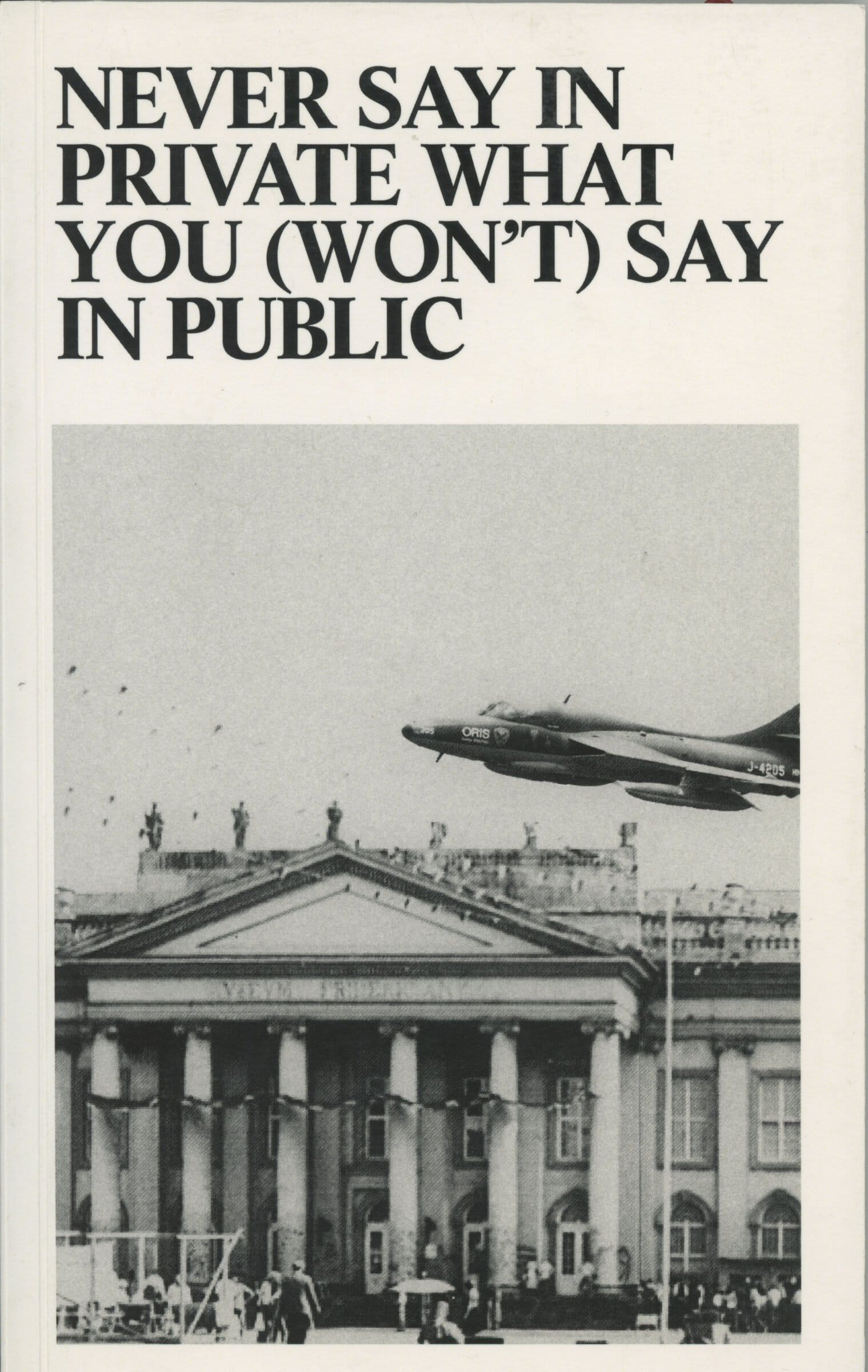
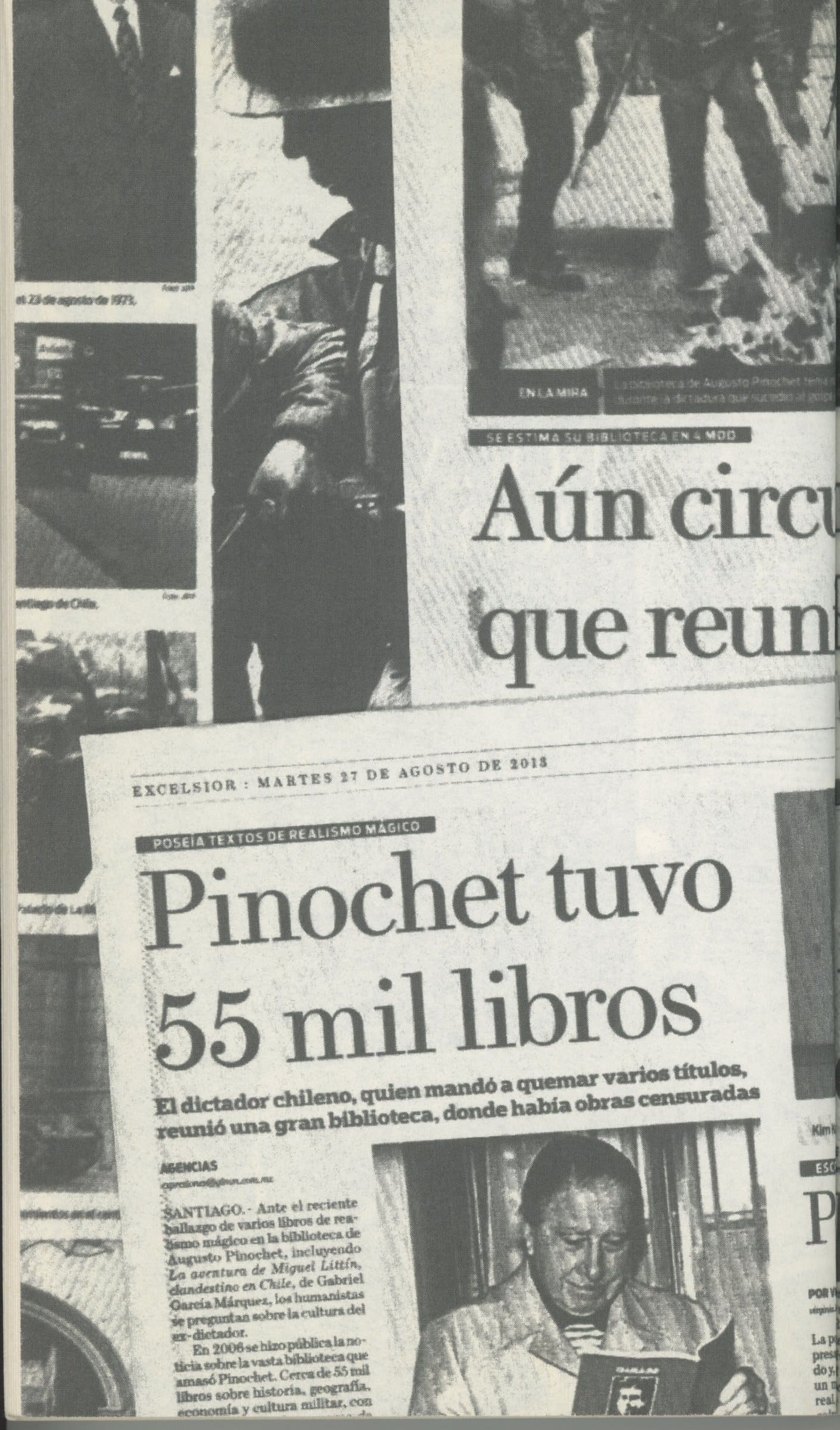

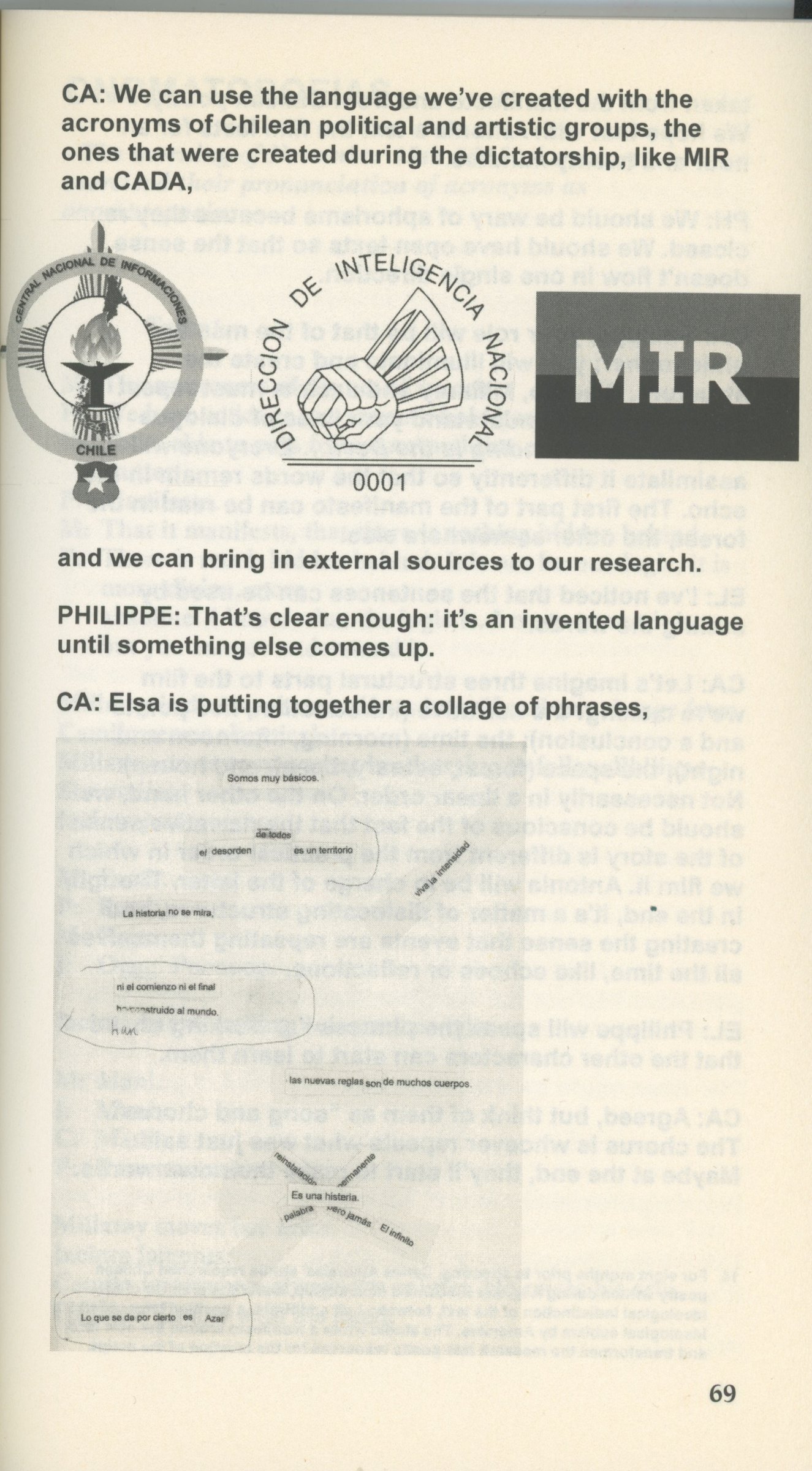
Back cover of the book NEVER SAY IN PRIVATE WHAT YOU (WON'T) SAY IN PUBLIC
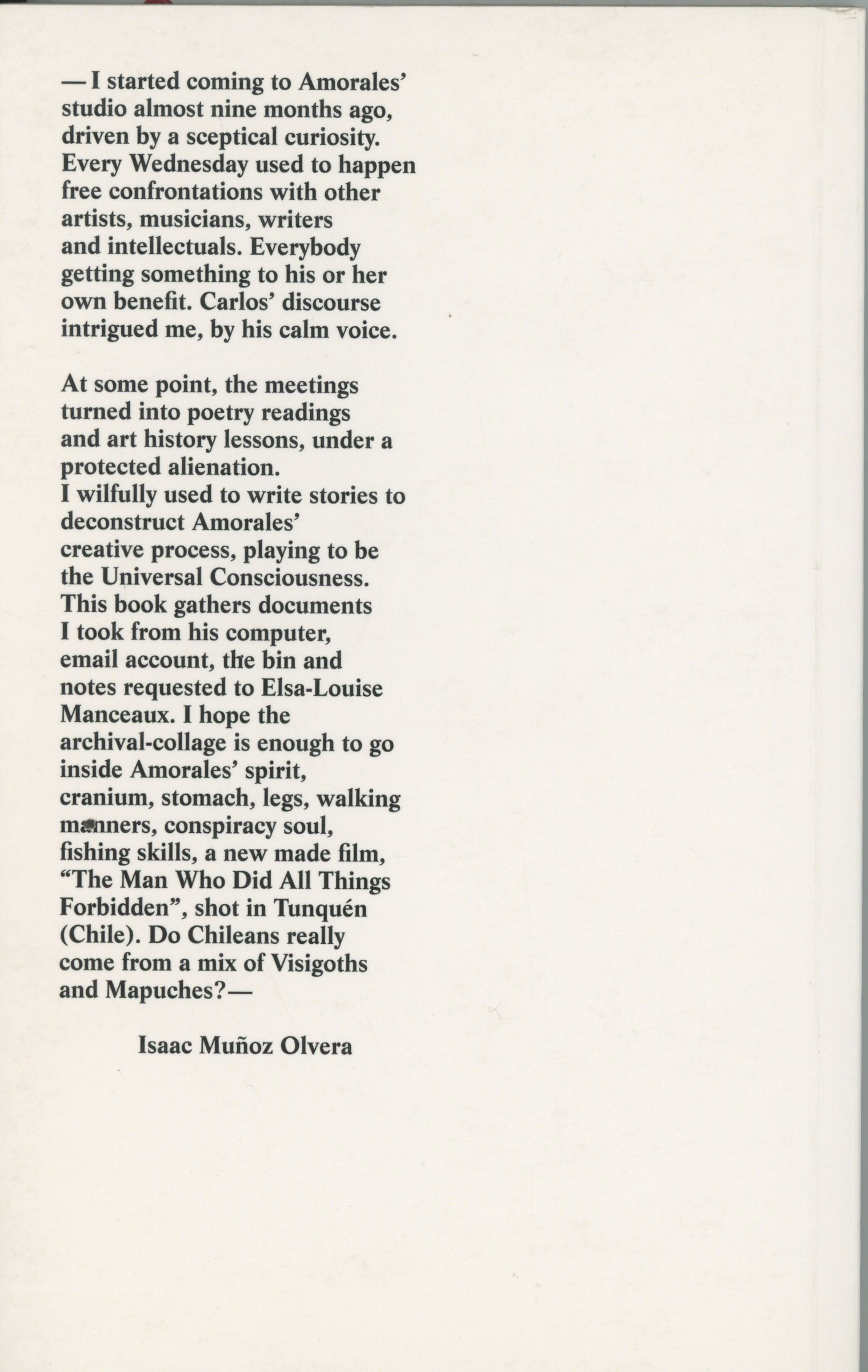
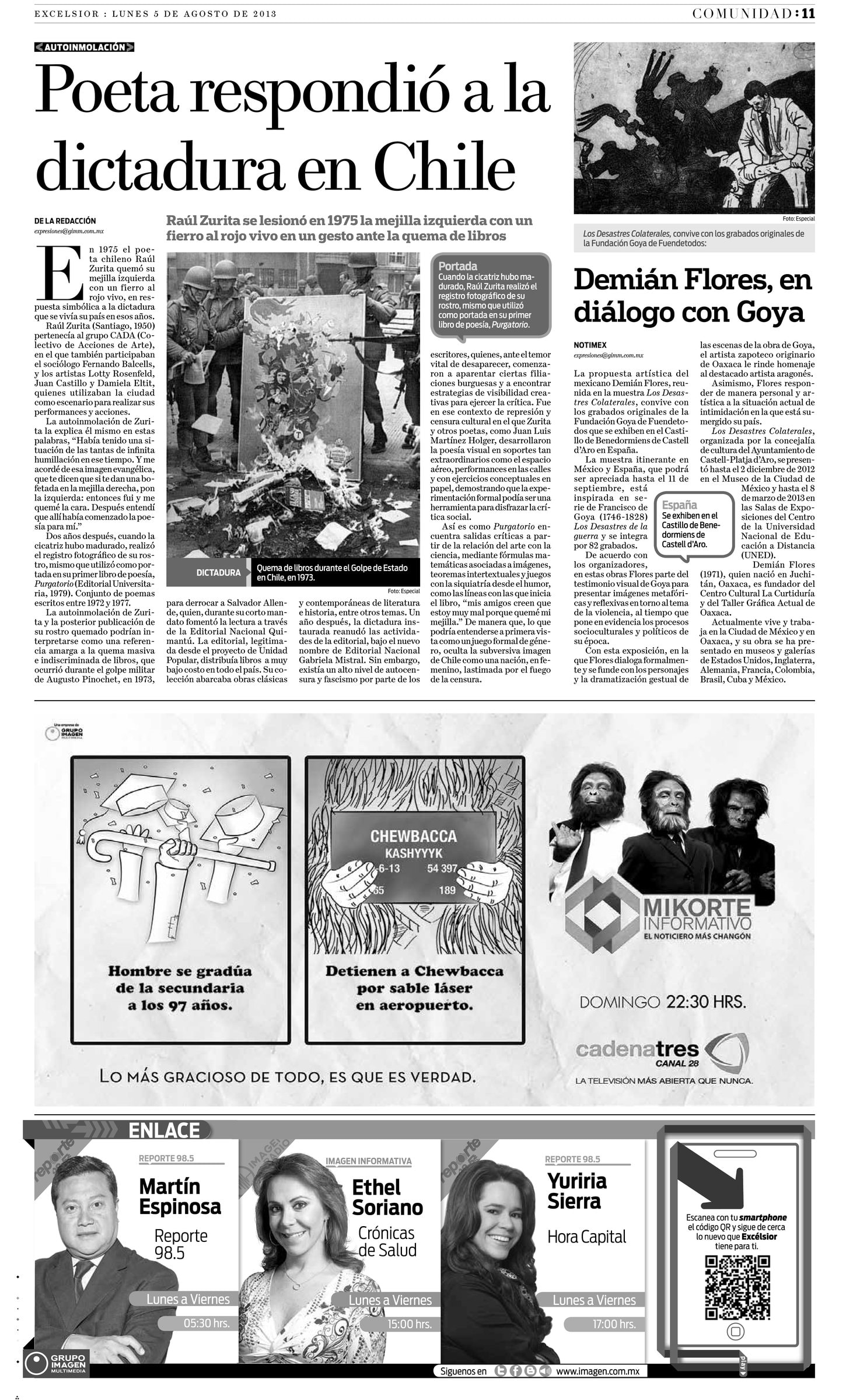
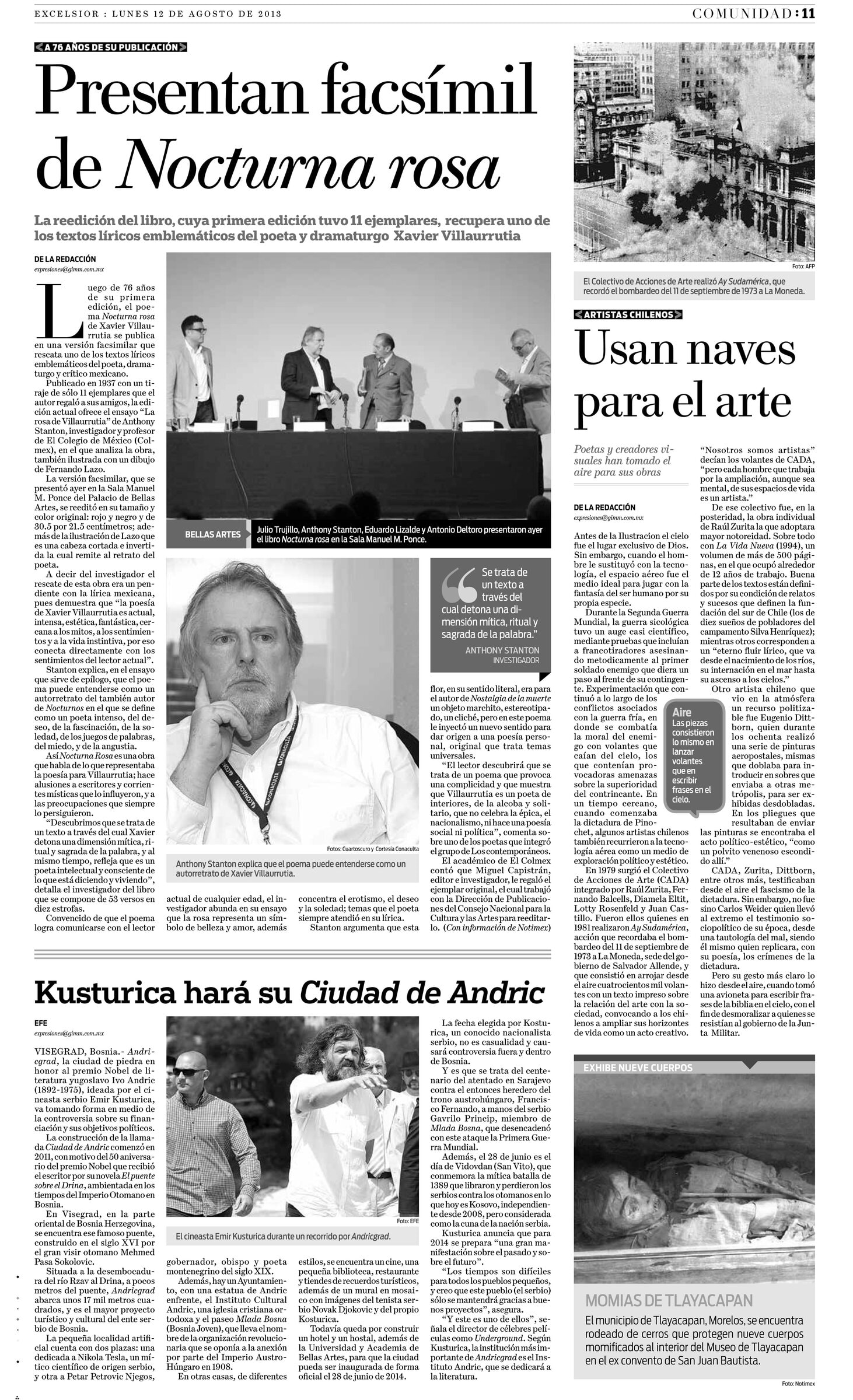
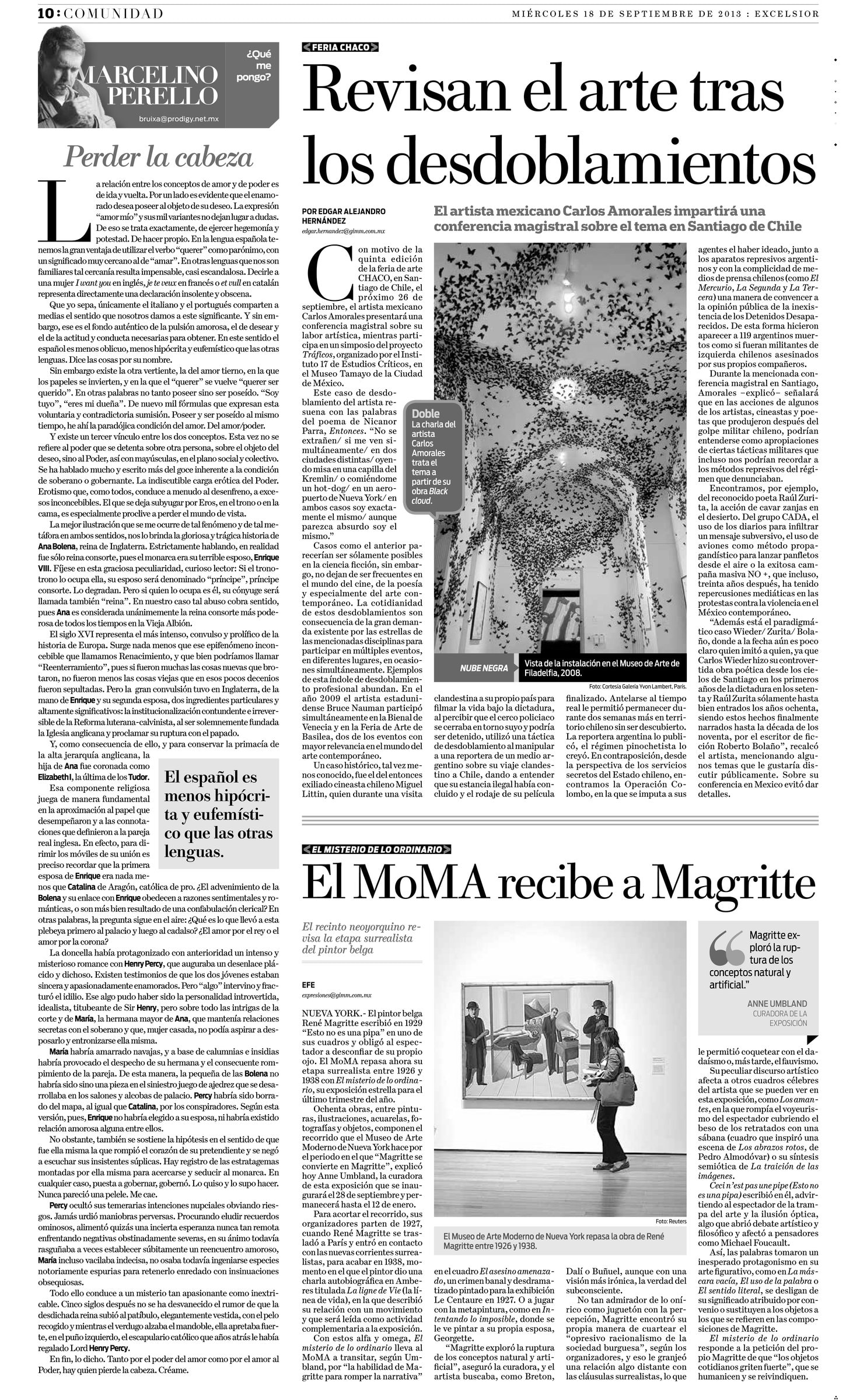
El Buró Fantasma, Clandestine intervention on news papers
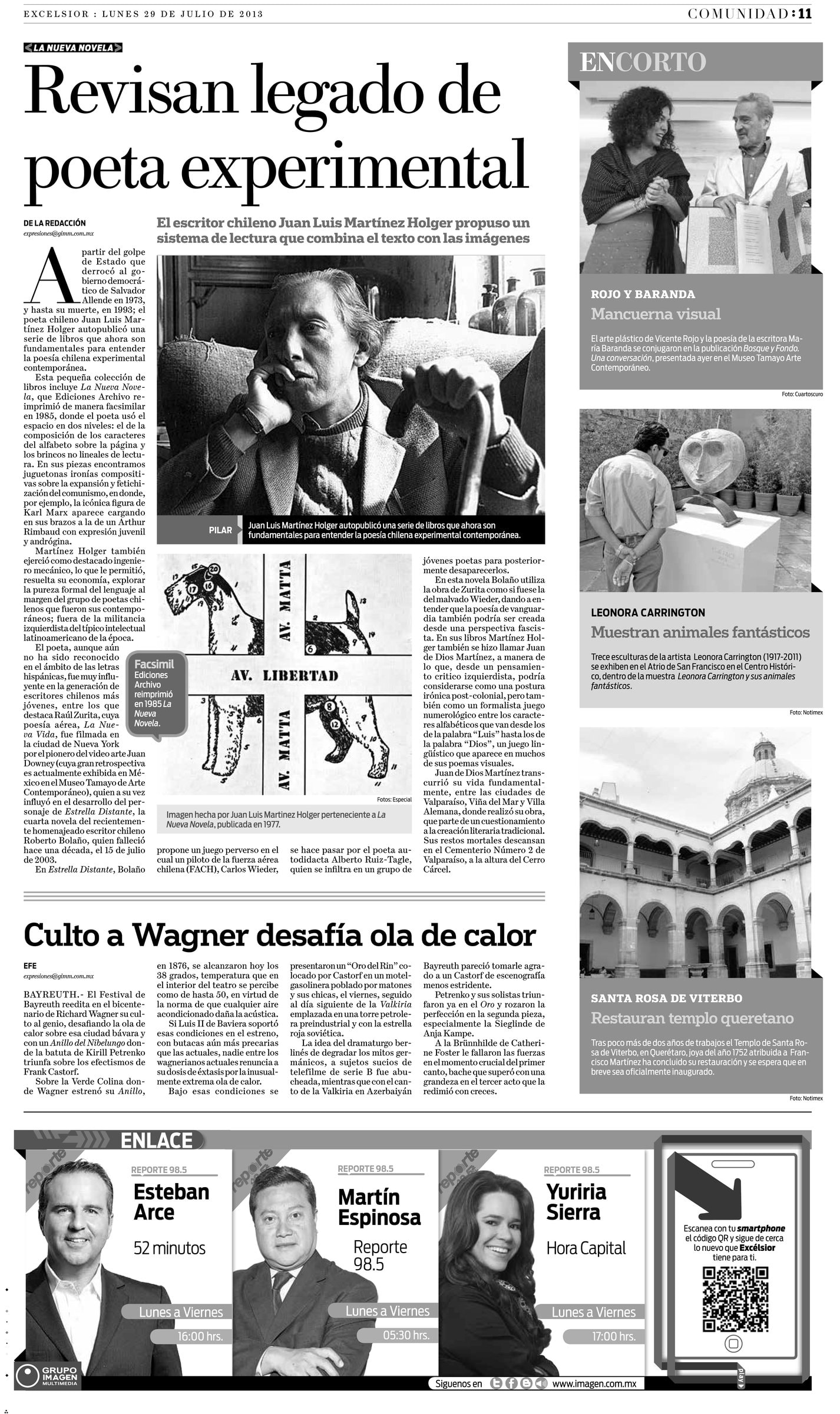
Clandestine intervention on news papers


Amorales Interim
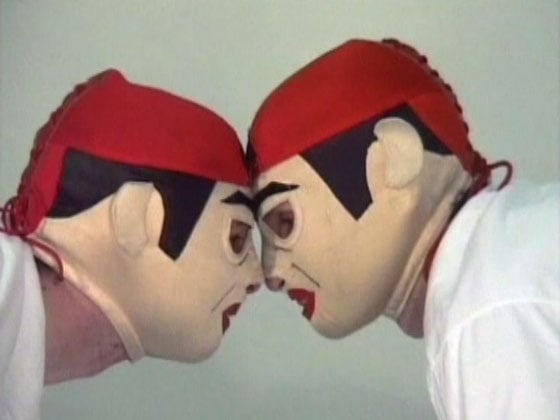
Amorales Interim, 1997
Single-channel video on monitor, ‘9″43
color with sound
Amorales vs Amorales (My Way)

Amorales vs Amorales (My Way), 2000
Single-channel video on monitor ’33″30
color with sound
La Hora Nacional
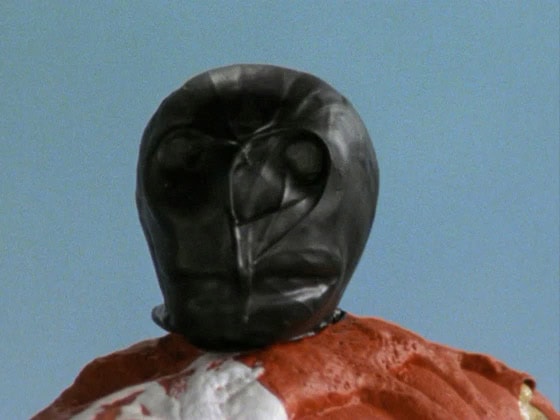
La hora nacional, 2010
One channel video projection, 5’ 59”
16mm color film with sound, transferred to digital video
Black Cloud
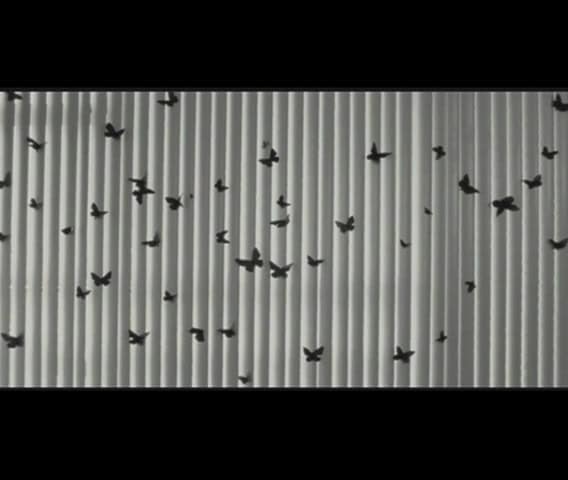
Black Cloud (Studio), 2007
One channel video projection, 10’ 23”
16mm black and white film with sound, transferred to video
Dark Mirror
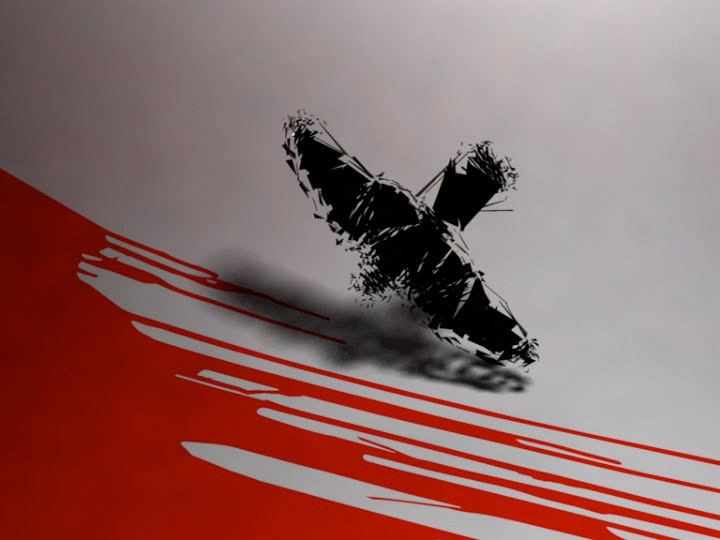
Dark Mirror, 2005, Animation
Two cannel video projection on floating screen, 6’ 28”
Color with sound back screen
Animation by André Pahl, Music by José María Serralde
Manimal
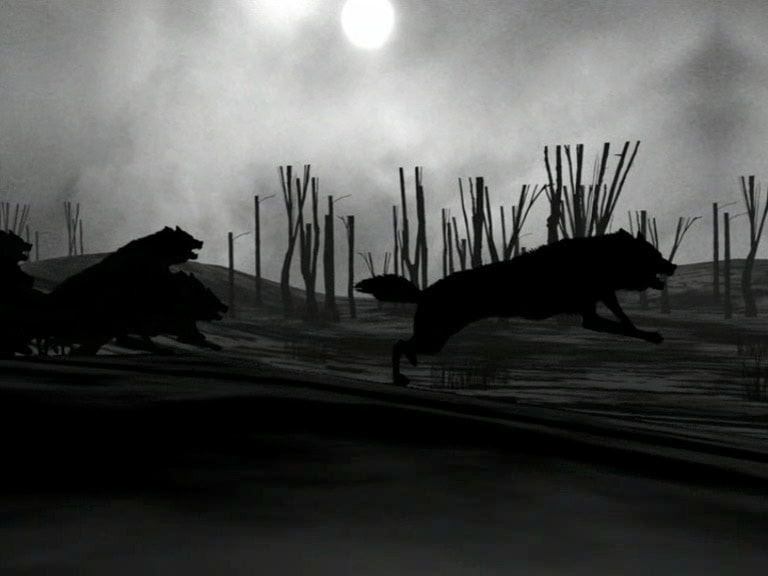
Manimal, 2005, Animation
One channel video projection, 5’ 26”
Black and white with sound
Directed by Carlos Amorales, animation by Iván Martínez López, score by Julián Lede
Psicofonias
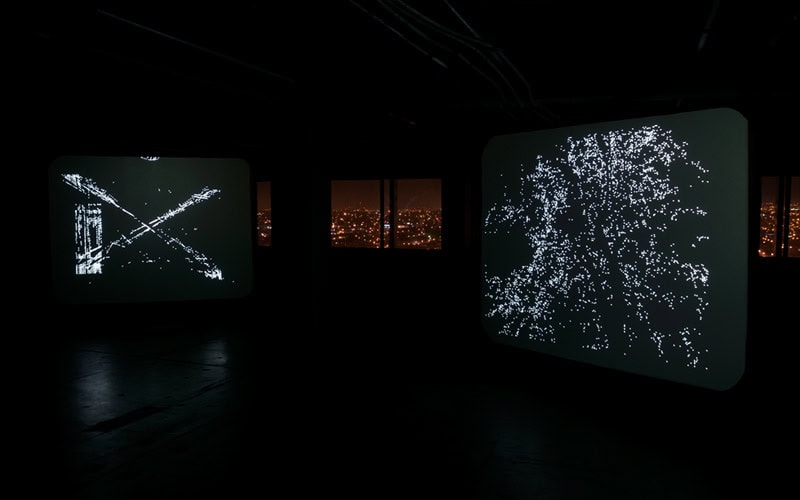
Psicofonias, 2008
Installation of b/w two channel channel video conected to a MIDI system,
two floating screens, sound system, unlimited time.
Directed by Carlos Amorales, programming by André Pahl, music concept by Julian Lede
Useless Wonder

Useless Wonder, 2006, Animation
Two channel video projection on floating screen
Front length 8’ 36”, Back length 7’ 51”, Color with sound
Directed by Carlos Amorales, animation by André Pahl, score by Julián Lede
Useless Wonder (back side of screen)